

Language:
Kirundi is the commonly used foreign language in Bujumbura, but is not widely spoken outside of the city. French is the official language across Burundi, which means it is the language used in government, education, and business. As such, it is also the most spoken language in Bujumbura.
Currency and Money:
The official currency is the Burundian Franc (BIF). Bujumbura has ATMs, but they do accept international cards. Most do not accept international cards. Travellers should ensure they carry sufficient cash in USD or EUR to exchange during their trip.
Exchange rates (indicative only):
COUNTRY CURRENCY BURUNDIAN FRANC
USA – USD $1 – 2941 BIF
UK – Pound Sterling 1 – 3985 BIF
EURO – 1 Euro – 3450 BIF
For the most current exchange rates, check current internet sites such as www.xe.com. Banking transactions and currency exchange can be performed in the Commercial Bank of Burundi foreign exchange bureaus.
Local Currency (Birr) Limits (To be confirmed):
Individuals entering or exiting Burundi are allowed to…
Foreign Currency Restrictions
Foreigners and Burundians residing in Burundi must declare any amount exceeding USD 4,000 (or equivalent) upon entry. Non‑residents, including Burundians living abroad, must declare amounts exceeding USD 10,000. All foreign currencies must be converted within 30 days for residents and within 90 days for non‑residents intending to stay longer.
Meals:
The national staple food consumed by most Burundians is beans, often served with maize, bananas, cassava, or sweet potatoes. Ugali (a stiff porridge made from maize or cassava flour) and isombe (cassava leaves) are common dishes, accompanied by meat, fish, or vegetable sauces. Burundians typically eat these foods with their hands, using ugali to scoop up sauces or pieces of meat.
Tipping:
Tipping in Bujumbura is not mandatory but appreciated. In restaurants, 5–10% is common. Hotel staff such as porters, concierges, and cleaners may receive small tips in Burundian Francs.
Weather, Climate, and Clothing
Bujumbura lies at about 775 m altitude with a tropical climate influenced by Lake Tanganyika. July temperatures range from 17–28 °C during the day and cool down at night. The local time zone is UTC+2 (CAT). Travellers should check the weather before flying and pack accordingly, including light clothing and possibly an umbrella.
.
Local Time
Time zone in Bujumbura is UTC+2 (GMT +2 – Central Africa Time). To convert time zones, you may wish to use a quick time zone calculator like this one: https://www.timeservers.net/cities/bi/bujumbura
Telephone Services
The largest telephone company in Burundi is Econet Wireless Burundi, followed by Viettel Burundi (Lumitel). Both companies have their main shops and service centres in Bujumbura city, not at the airport. We recommend that participants who need a local line purchase one upon arrival in the city
Electricity
Electricity access in Burundi remains very limited, with only about 12% of the population connected to the grid. Access is higher in urban areas like Bujumbura but still far below full coverage, while rural areas are largely underserved. Power cuts in Bujumbura are frequent and disruptive, affecting households, businesses, and healthcare services.
Type C
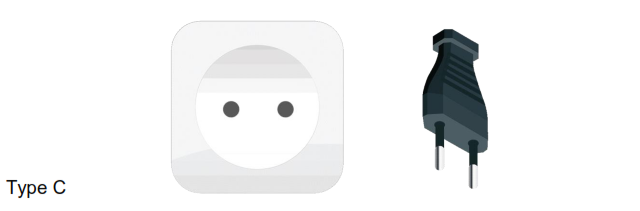
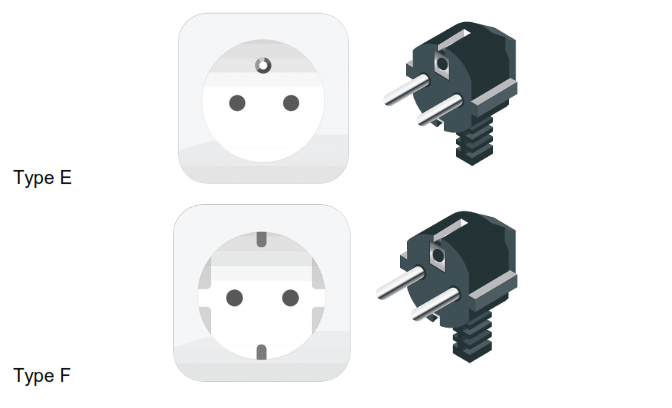
In Burundi, power plugs and sockets (outlets) of type C and type E are used. The standard voltage is 220 V at a frequency of 50 Hz. Note that you may need an adapter to plug your electrical devices into local power plug sockets.